Buy quickcash.eu ?
We are moving the project
quickcash.eu .
Are you interested in purchasing the domain
quickcash.eu ?
domain@kv-gmbh.de · 0541-91531010
Buy quickcash.eu ?
Perhaps, subjunctive or indicative?
The choice between subjunctive or indicative depends on the context of the sentence. The subjunctive mood is used to express hypothetical or uncertain situations, wishes, recommendations, or doubts. On the other hand, the indicative mood is used for statements of fact or certainty. Therefore, if the sentence is expressing a possibility, doubt, or desire, the subjunctive mood would be more appropriate. **
Maybe subjunctive or indicative?
The choice between subjunctive or indicative depends on the context of the sentence. The subjunctive mood is used to express doubt, uncertainty, desire, or hypothetical situations, while the indicative mood is used for statements of fact or certainty. To determine whether to use subjunctive or indicative, consider the verb's relationship to reality and whether it is expressing a fact or a possibility. **
Similar search terms for Indicative
Top-Angebote
Products related to Indicative:
-
Hay House UK Make Money Easy by Lewis Howes - Hardback - Financial Freedom & Money Mindset Guide for Adults - Personal Finance BestsellerCreate financial freedom and live a richer life with this practical guide by Lewis Howes. This hardback book is a mindset-first approach to building genuine financial freedom, drawing on interviews with leading financial experts, cutting-edge money psychology research, and the author's own journey from broke to abundant. It helps readers uncover their unique 'Money Style,' build a powerful 'Money Mindset,' and develop a clear, actionable roadmap to earn more, worry less, and feel at peace with their finances. Written by the host of The School of Greatness podcast, this book is perfect for anyone tired of feeling stuck with money.21,99 £*Shipping: 2,99 £Secure redirect to the provider
-
The Readers Paradise The Psychology of Money Mindset: Decoding Financial Behaviour by Dr. N. Gosain - Paperback - Personal Finance & Money Psychology GuideDiscover the psychology behind your financial decisions with this practical guide by Dr. N. Gosain. The Psychology of Money Mindset: Decoding Financial Behaviour is a thought-provoking read that explores the psychological roots of our financial behaviour and shows how mindset, not just income, determines long-term financial success. This accessible paperback helps readers uncover unconscious habits, biases, and emotional triggers that shape spending, saving, and investing, and provides real-world money management advice to build a healthier, more confident relationship with money and take control of their financial future.2,99 £*Shipping: 2,99 £Secure redirect to the provider
-
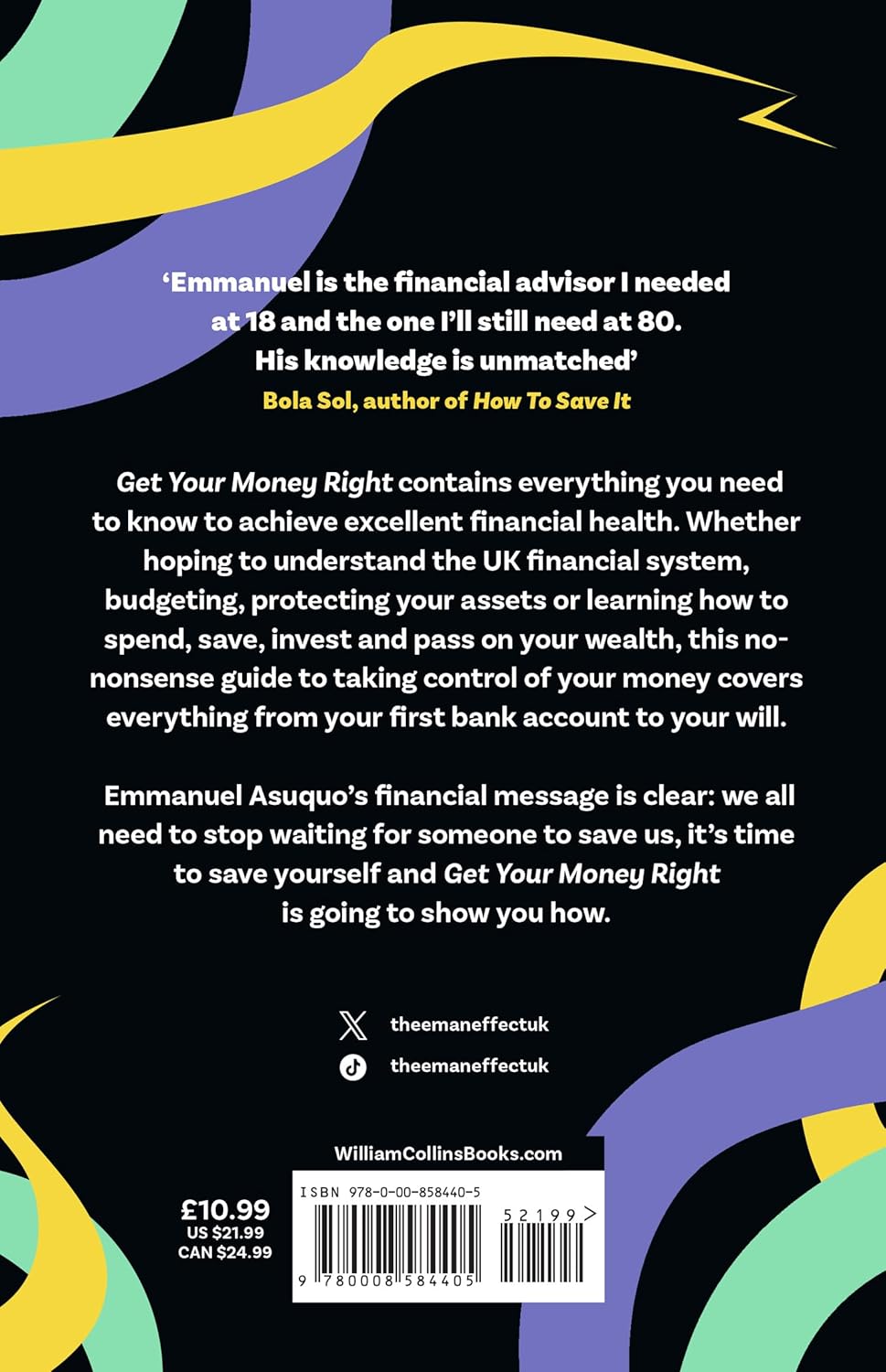
William Collins Get Your Money Right by Emmanuel Asuquo - Understand Your Money and Make It Work for You - Paperback Personal Finance GuideGet Your Money Right is a practical guide to personal finance from TV's trusted money expert, Emmanuel Asuquo. This paperback book breaks down the UK financial system into clear, actionable steps, helping readers build a healthier money mindset and work towards long-term financial security. Drawing on real client stories from his career as a financial adviser, Asuquo explains how the UK financial system works and why financial education matters, especially amid ongoing cost of living pressures. The book moves step by step through practical territory, covering understanding your relationship with money, building better financial habits, and navigating the UK financial system.4,99 £*Shipping: 2,99 £Secure redirect to the provider
-
John Murray You Are a Badass at Making Money by Jen Sincero - Paperback Self Help Book on Money Mindset & Personal Finance - NewYou Are a Badass at Making Money is a self-help guide by Jen Sincero. This book offers a no-nonsense approach to breaking through mental blocks that keep people stuck in financial struggle. It blends sharp comedy with practical exercises to help readers rewire their relationship with money and build real wealth. The book is a follow-up to Sincero's phenomenon You Are a Badass and provides bite-sized, actionable steps to overcome internal stories, fears, and excuses that sabotage earning potential. The paperback edition is a brand-new release from John Murray, a publisher known for its high-quality books for adults.2,99 £*Shipping: 2,99 £Secure redirect to the provider



-
Conditional, subjunctive or indicative?
The choice between conditional, subjunctive, or indicative mood depends on the context of the sentence. The conditional mood is used to express a hypothetical situation or a condition that is dependent on something else happening. The subjunctive mood is used to express wishes, recommendations, or possibilities. The indicative mood is used to state facts or ask questions. **
-
What is the French indicative?
The French indicative is a verb mood used to express statements, facts, or questions in a straightforward manner. It is the most commonly used verb mood in French and is used to talk about actions that are considered real or certain. The indicative is used in both the present and past tenses, as well as in the future and conditional tenses. It is important to understand the indicative mood in order to effectively communicate in French. **
-
What are indicative and imperative?
Indicative and imperative are two different types of verb moods in grammar. The indicative mood is used to make statements or ask questions, expressing facts or opinions. On the other hand, the imperative mood is used to give commands or make requests. In essence, indicative is used for stating what is happening or what has happened, while imperative is used for giving instructions or orders. **
-
What does indicative present mean?
Indicative present is a verb tense that is used to describe actions that are happening in the present moment or are generally true. It is used to express facts, habits, or routines. In English, the indicative present is formed by using the base form of the verb, with or without the addition of an -s ending for third person singular subjects. **

What does indicative preterite mean?
Indicative preterite is a verb tense used to describe actions that were completed in the past. It is used to express specific actions that happened at a definite point in time. In Spanish, the indicative preterite is one of the past tense forms and is used to talk about completed actions in the past. It is important to note that the indicative preterite is just one of the past tenses in Spanish, and its usage depends on the context and the specific time frame being referred to. **
Indicative or subjunctive in French?
The choice between indicative and subjunctive in French depends on the context and the verb used. The indicative mood is used for statements of fact or certainty, while the subjunctive mood is used for expressing doubt, uncertainty, or subjective feelings. Verbs of emotion, doubt, desire, and necessity often trigger the use of the subjunctive mood. It is important to pay attention to the specific verb and the context in order to determine whether to use the indicative or subjunctive in French. **
Top-Angebote
Products related to Indicative:
-
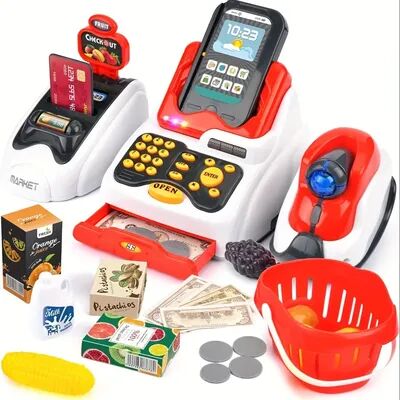
Perfect Picks Market Toy Cash Register For Kids, Checkout Scanner, Play Money Food Set, , Credit Card Machine, Fruit Card Reader Toy Cash Register For Kids, Checkout Scanner, Play Money Food Set, , Credit Card Machine, Fruit Card ReaderEngage Your Child with Playful Learning The 33PCS Toy Cash Register for Kids with Checkout Scanner is a perfect way to help children develop essential skills while having fun! Designed for little ones, this interactive toy includes a realistic...59,97 $*Shipping: 0,00 $Secure redirect to the provider
-
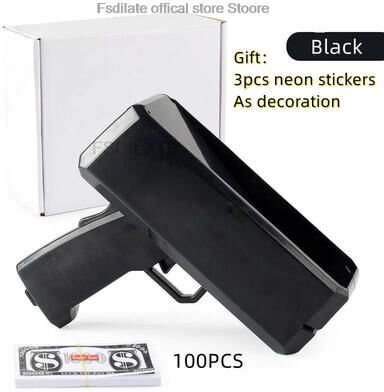
Uplift Picks Party Money Gun Toy Cash Cannon With Fake Money Bills For Events blackTurn any celebration into a highenergy moment with a fun and flashy money gun toy that steals the spotlight. This cash cannon shoots fake money bills into the air, creating instant excitement and laughter at parties and events. Easy to use and safe...112,48 $*Shipping: 0,00 $Secure redirect to the provider
-
Hay House UK Make Money Easy by Lewis Howes - Hardback - Financial Freedom & Money Mindset Guide for Adults - Personal Finance BestsellerCreate financial freedom and live a richer life with this practical guide by Lewis Howes. This hardback book is a mindset-first approach to building genuine financial freedom, drawing on interviews with leading financial experts, cutting-edge money psychology research, and the author's own journey from broke to abundant. It helps readers uncover their unique 'Money Style,' build a powerful 'Money Mindset,' and develop a clear, actionable roadmap to earn more, worry less, and feel at peace with their finances. Written by the host of The School of Greatness podcast, this book is perfect for anyone tired of feeling stuck with money.21,99 £*Shipping: 2,99 £Secure redirect to the provider
-
The Readers Paradise The Psychology of Money Mindset: Decoding Financial Behaviour by Dr. N. Gosain - Paperback - Personal Finance & Money Psychology GuideDiscover the psychology behind your financial decisions with this practical guide by Dr. N. Gosain. The Psychology of Money Mindset: Decoding Financial Behaviour is a thought-provoking read that explores the psychological roots of our financial behaviour and shows how mindset, not just income, determines long-term financial success. This accessible paperback helps readers uncover unconscious habits, biases, and emotional triggers that shape spending, saving, and investing, and provides real-world money management advice to build a healthier, more confident relationship with money and take control of their financial future.2,99 £*Shipping: 2,99 £Secure redirect to the provider
-
Perhaps, subjunctive or indicative?
The choice between subjunctive or indicative depends on the context of the sentence. The subjunctive mood is used to express hypothetical or uncertain situations, wishes, recommendations, or doubts. On the other hand, the indicative mood is used for statements of fact or certainty. Therefore, if the sentence is expressing a possibility, doubt, or desire, the subjunctive mood would be more appropriate. **
-
Maybe subjunctive or indicative?
The choice between subjunctive or indicative depends on the context of the sentence. The subjunctive mood is used to express doubt, uncertainty, desire, or hypothetical situations, while the indicative mood is used for statements of fact or certainty. To determine whether to use subjunctive or indicative, consider the verb's relationship to reality and whether it is expressing a fact or a possibility. **
-
Conditional, subjunctive or indicative?
The choice between conditional, subjunctive, or indicative mood depends on the context of the sentence. The conditional mood is used to express a hypothetical situation or a condition that is dependent on something else happening. The subjunctive mood is used to express wishes, recommendations, or possibilities. The indicative mood is used to state facts or ask questions. **
-
What is the French indicative?
The French indicative is a verb mood used to express statements, facts, or questions in a straightforward manner. It is the most commonly used verb mood in French and is used to talk about actions that are considered real or certain. The indicative is used in both the present and past tenses, as well as in the future and conditional tenses. It is important to understand the indicative mood in order to effectively communicate in French. **
Similar search terms for Indicative
-
William Collins Get Your Money Right by Emmanuel Asuquo - Understand Your Money and Make It Work for You - Paperback Personal Finance GuideGet Your Money Right is a practical guide to personal finance from TV's trusted money expert, Emmanuel Asuquo. This paperback book breaks down the UK financial system into clear, actionable steps, helping readers build a healthier money mindset and work towards long-term financial security. Drawing on real client stories from his career as a financial adviser, Asuquo explains how the UK financial system works and why financial education matters, especially amid ongoing cost of living pressures. The book moves step by step through practical territory, covering understanding your relationship with money, building better financial habits, and navigating the UK financial system.4,99 £*Shipping: 2,99 £Secure redirect to the provider
-
John Murray You Are a Badass at Making Money by Jen Sincero - Paperback Self Help Book on Money Mindset & Personal Finance - NewYou Are a Badass at Making Money is a self-help guide by Jen Sincero. This book offers a no-nonsense approach to breaking through mental blocks that keep people stuck in financial struggle. It blends sharp comedy with practical exercises to help readers rewire their relationship with money and build real wealth. The book is a follow-up to Sincero's phenomenon You Are a Badass and provides bite-sized, actionable steps to overcome internal stories, fears, and excuses that sabotage earning potential. The paperback edition is a brand-new release from John Murray, a publisher known for its high-quality books for adults.2,99 £*Shipping: 2,99 £Secure redirect to the provider
-
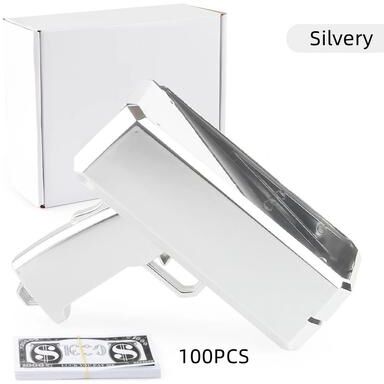
Uplift Picks Party Money Gun Toy Cash Cannon With Fake Money Bills For Events silverTurn any celebration into a highenergy moment with a fun and flashy money gun toy that steals the spotlight. This cash cannon shoots fake money bills into the air, creating instant excitement and laughter at parties and events. Easy to use and safe...145,48 $*Shipping: 0,00 $Secure redirect to the provider
-
Uplift Picks Party Money Gun Toy Cash Cannon With Fake Money Bills For Events pinkTurn any celebration into a highenergy moment with a fun and flashy money gun toy that steals the spotlight. This cash cannon shoots fake money bills into the air, creating instant excitement and laughter at parties and events. Easy to use and safe...112,48 $*Shipping: 0,00 $Secure redirect to the provider
-
What are indicative and imperative?
Indicative and imperative are two different types of verb moods in grammar. The indicative mood is used to make statements or ask questions, expressing facts or opinions. On the other hand, the imperative mood is used to give commands or make requests. In essence, indicative is used for stating what is happening or what has happened, while imperative is used for giving instructions or orders. **
-
What does indicative present mean?
Indicative present is a verb tense that is used to describe actions that are happening in the present moment or are generally true. It is used to express facts, habits, or routines. In English, the indicative present is formed by using the base form of the verb, with or without the addition of an -s ending for third person singular subjects. **
-
What does indicative preterite mean?
Indicative preterite is a verb tense used to describe actions that were completed in the past. It is used to express specific actions that happened at a definite point in time. In Spanish, the indicative preterite is one of the past tense forms and is used to talk about completed actions in the past. It is important to note that the indicative preterite is just one of the past tenses in Spanish, and its usage depends on the context and the specific time frame being referred to. **
-
Indicative or subjunctive in French?
The choice between indicative and subjunctive in French depends on the context and the verb used. The indicative mood is used for statements of fact or certainty, while the subjunctive mood is used for expressing doubt, uncertainty, or subjective feelings. Verbs of emotion, doubt, desire, and necessity often trigger the use of the subjunctive mood. It is important to pay attention to the specific verb and the context in order to determine whether to use the indicative or subjunctive in French. **
* All prices are inclusive of VAT and, if applicable, plus shipping costs. The offer information is based on the details provided by the respective shop and is updated through automated processes. Real-time updates do not occur, so deviations can occur in individual cases. ** Note: Parts of this content were created by AI.